
NIGHT BEFORE DE-ICER
Put it down before the frost and there is no ice to clear in the morning.
Frequently Asked Questions
During colder months, there is often another chore that needs to be added to the morning routine - that of clearing any frozen ice, snow or frost from driveways, paths, exterior surfaces and even the car windscreen before you can set off for work, school or your daily errands. Getting rid of slippery frost and ice can go a long way toward preventing slips and trips that could land you in hospital, seriously compromising your ability to operate as normal in the winter.
There are good reasons to treat a driveway or a path the night before a freeze is forecast. EcoGrit does not damage concrete, paving, tarmac or resin-bound surfaces, and it does not shed anything harmful into gardens, ponds or watercourses, which is not true of de-icers built on rock salt or urea.
As well as applying a liberal amount of EcoGrit granules or spray-based products before turning in for the night, there are several other things you can do to help keep your driveway safe and clear of ice overnight. If you are able to install a heating system, such as specialist mats that are installed on or just underneath the surface to stop any snow or frost that comes into contact with the ground from freezing hard. This can work well but is an expensive option that many people will not be able to or are willing to choose. Adding sand or grit that does not contain any rock salt or other harmful substances can help add traction for when you need to move your vehicle off a slippery surface or wish to make it safer to walk on while the de-icer works its magic.
The effectiveness of de-icing products overnight can vary, but if you choose one that specifically states that it can be sprinkled on exterior surfaces the night before, then you should get good results. EcoGrit can definitely be applied the night before an expected frost and is effective down to temperatures of minus 20 degrees C. It remains effective for up to seven days after application.
Again, de-icing products do vary, so check the label carefully to check that it is suitable for application to a vehicle. Never use rock salt or a de-icer that is based on rock salt or urea-derived products, as these ingredients are highly corrosive to metal and can cause damage to your vehicle.
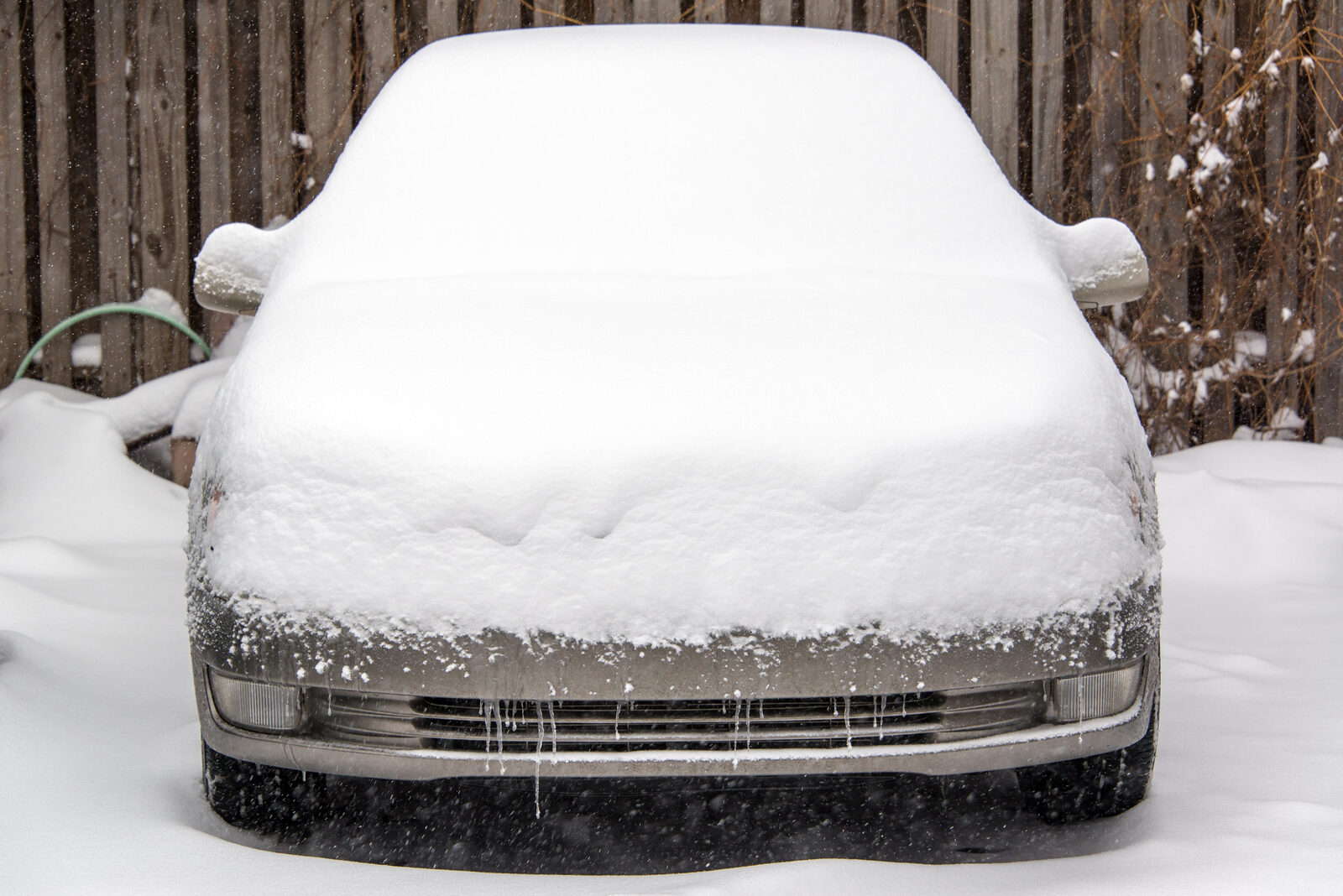
Choose a vehicle safe de-icer such as EcoGrit for effective, safe results on your car or vehicle's windscreen overnight. EcoGrit works on all kinds of surfaces, from concrete to glass, so it should help prevent your car's windscreen from icing over during the night if correctly applied.
As well as applying a safe de-icer such as EcoGrit, you could try placing a blanket over your windscreen to keep the worst of the overnight frost and ice at bay. Try to keep your vehicle undercover, such as in a garage. EcoGrit can be added to water to spray any frozen locks or door handles.
It is not recommended that you add salt to the windscreen, largely due to its corrosive nature that can damage the paintwork and metallic elements of your car. The salt grains are also very coarse, which could scratch the glass or even crack it when the salt is being wiped away.