
Snow Melt Granules
Car parks, farmyards, playgrounds, walkways, gardens and steps.
Frequently Asked Questions
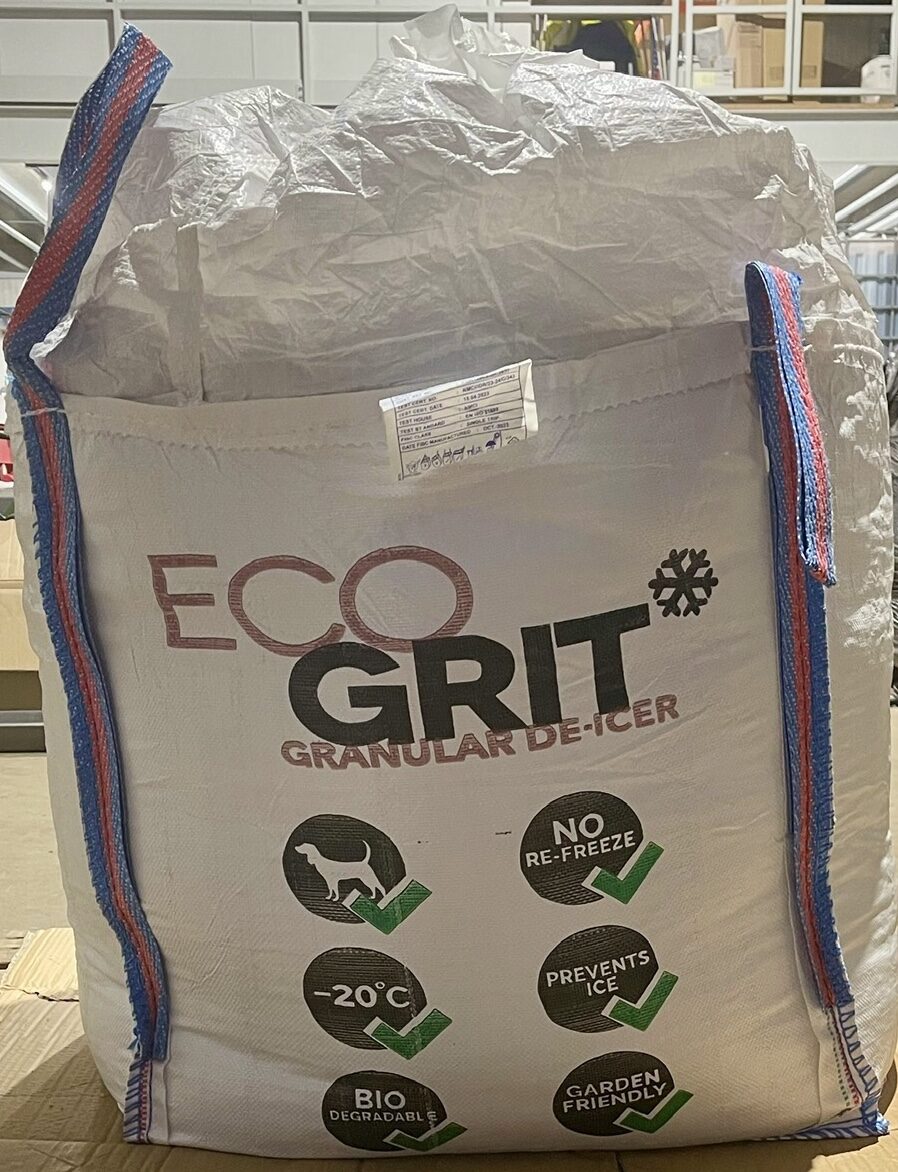
Snow melts back into water when temperatures rise above its freezing point, turning the solid flakes back into water. Snowmelt products are available to speed up the process by causing a chemical reaction to increase the temperature. There are many ways to melt snow, including applying an eco-friendly ice melt. EcoGrit contains no corrosive or toxic ingredients that could harm animals or humans if touched or ingested. For even faster results, use a shovel to clear any excess snow from the surface first. Always leave cleared snow somewhere safe where it will not cause any problems for other people or vehicles.
Choose EcoGrit to melt snow from your exterior surfaces this winter. EcoGrit works by stopping ice and snow bonding to the surface, rather than by chemical force. The water can then run off harmlessly into the ground. No toxic residues or corrosive salt deposits remain in the water, so no surrounding ecosystems, habitats, groundwater systems or wildlife are harmed. Other ways to get rid of snow safely include shovelling any excess and waiting for temperatures to rise as the day warms up. EcoGrit can be applied the night before the snow is expected to help prevent it from laying in the first place.
De-icing products are vital in many settings, such as pavements and driveways, so people don't slip. We know a fair bit about rock salt - a common choice that can negatively affect concrete surfaces.
Many people use rock salt to melt snow and ice around their property, including drives, paths, and steps. While it can make surfaces safer, there are issues with using it. One of the most critical issues is the risk of injuring pets. Because of this, there is high demand for pet-friendly alternatives to rock salt.
Car parks, farmyards, playgrounds, walkways, gardens, paths, yards and steps. It can be used to prevent ice as well as clear it, so it can go down the night before a frost is forecast. Spread it at 10 to 15 grams per square metre, and a little more if it is snowing.